It’s a Bully’s World, We’re Just Living in It!
Let’s be honest: we live in a contentious world. A very contentious world. Everyone has an opinion, and everyone is fighting over that opinion. It’s exhausting. The thing I have really began to notice, and it really bothers me, is that people are bullying one another for their opposing opinions. The citizens of the world have seemed to have lost all civility. As a society, we have forgotten we all have similarities. In the end, we are all human beings. Recently, I have lost respect for people, who have been in my life for a long time, because of the way they have handled those who think differently than they do. It’s disgusting behavior, and it needs to stop! As human beings we are allowed to have different thoughts/ideas/perceptions; that’s what makes the world interesting.
There are 4 types of bullying:
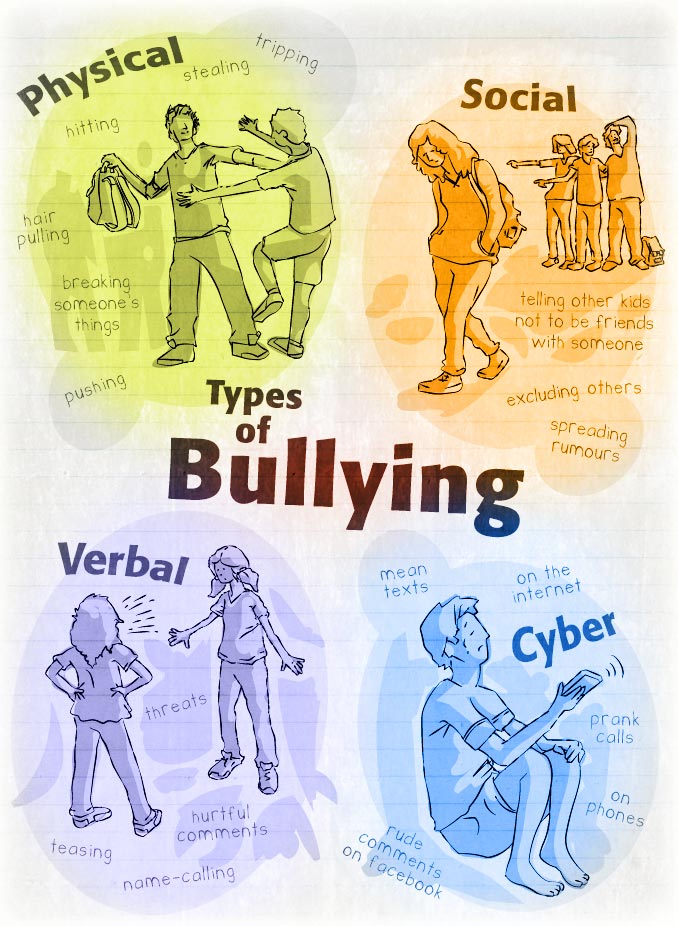
We need to understand how people are bullying, so we can respectfully express our opinion without bullying someone else. There are non-confrontational ways to disagree. All types of bullying are bad in their own way, and they all victimize people. Bullying is NEVER okay. There are many resources on how to identify when bullying is happening, what to do if you are being bullied, and how to prevent bullying from happening in the first place. Most of the resources are directed at children being bullied, but the information may help teens and adults being bullied as well.
I grew up in the 90s—I am sure bullying was an issue—now it’s a pandemic. I don’t say that lightly or a joke. In my research, most of the resources were global. Bullying is happening everywhere and all the time. Being born with a facial deformity gave people plenty of reasons to ease me as a child, but no one ever really said anything. When I was in 5th grade and boy asked me if my mom drank when she was pregnant with me, and if that’s why my face was messed up, then he ran away and that was it. Kids teased each other on the playground, but generally it was not to the extent of today’s ridicule. When I was in high school I got harassed for wearing my pjs to school, but I didn’t care what other people thought, so I still wore my pajamas because they were comfy.
By the time my siblings were in school, things were much worse. Hannah would get her lunch stolen, and girls would throw money at her and tell her to go eat. She came home from school crying. It was cruel. My heart broke for her as her big sister. Brady also got made fun of because he was chubby. I have watched the memories of being picked arise today in his mid-20s because he was “the fat kid” in elementary school. My dad, who is now 61, was called “fat daddy” as a kid by adults and kids, and it is a hypothetical weight he carries with him.. My nephew Cash was being made fun of so badly at school, my sister had to take him out. Kids are cruel. I can’t help but wonder if it’s a behavior they learned from their parents.
Bullies choose targets they perceive weaker than them. The old saying, “bullies pick on others because they are jealous” might be true, but I believe bullying is really about power and control. People like to assert their power and influence over other people. By definition a bully is: a blustering, browbeating person especially : one who is habitually cruel, insulting, or threatening to others who are weaker, smaller, or in some way vulnerable. The word can also be used as a transitive verb to mean: to cause (someone) to do something by means of force or coercion or to treat (someone) in a cruel, insulting, threatening, or aggressive fashion : to act like a bully toward; or to take it further: to use language or behavior that is cruel, insulting, threatening, or aggressive (Merriam-Webster). Bullies aren’t always loud and aggressive. Sometimes, they are sneaky and quiet, passive-aggressive. They manipulate. This second kind of bully is worse than the first kind because they are harder to detect.
When I think of bullies, I think of my nieces and nephews. Denny is loud and aggressive—the cutest bully in town, really. She pushes and she yells; she is also 3. Ayda, who is 6, is much sneakier. She gets Cash (8) in a lot of trouble because she quietly gets on his nerves, and then he reacts, and gets in trouble. Melanie (6) will manipulate a situation until she gets what she wants. It’s really brilliant, if you think about it. I was a quiet bully to my sister Kayla growing up—I was sneaky mean to her. We would play soap opera, and I would make her be the boy because she had short hair. I never listened to her because she was younger, and I was in charge. Some of this was innocent, as we were kids, but it wasn’t coming from a good place. I should’ve been a nicer sister to her. Truthfully, siblings are always going to try to bully one another—that’s normal. We need to teach them in the home to stop bullying, so no one gets hurt.
The teenage movies of my youth are filled with one teen bullying another. Two come to mine in particular— the first one is She’s All That. The scene in the cafeteria: https://www.youtube.com/watch?v=x0XE7KFZook. Zach turns the bullying around on the boys picking on Simon. They ended up being the victims in the bullying because they chose to bully. While Zach did stand up for Simon, there was a better way to handle the situation. Bullying cannot beget bullying. The second example is the classic Mean Girls. The Plastics are outright bullies—they don’t even try to hide it—they are mean to everyone who is different than them. As Gretchen says, “I’m sorry that people are so jealous of me. But I can’t help it that I’m popular.” Regina, though, is the biggest bully. She’s mean to everyone—the school Math teacher asks who has been personally victimized by Regina George, and every female raises their hand. Cady, though is a different kind of bully because she becomes a Plastic to take down the Plastics. She uses sneakiness and cunning to become a mean girl. In the end, some may say she’s the meanest girl of them all. The movie is relevant to today’s bullying, on many levels. It’s a must watch in my book.
Bullying is now easier than it has ever been because people can hide behind the safety of their phone/computer screen to say whatever they want about someone else. Cyberbullying can happen to anyone/anywhere.
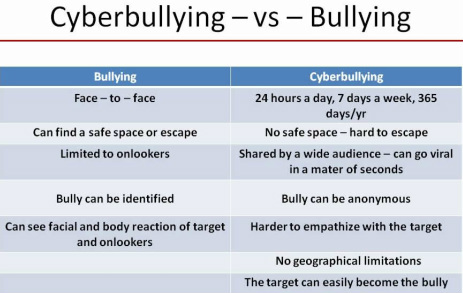
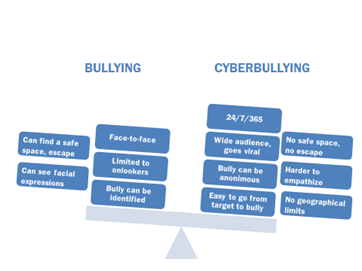
We’ve become a culture of Keyboard Warriors—we bully (and stand up for people) in the safety of our home. Until the 2000s, people had to bully someone face-to-face. That made the bully have to face their victim. The anonymity makes people bolder and crueler. There really no consequences when you can’t see someone’s reaction, and you can say whatever you want. While technology does play a part in the increase in bulling in today’s society, people are meaner than they used to be. Maybe life has hardened us.
According to the documentary Bully, “over 13 million kids will be bullied this year.” Filmed over the course of the 2009/2010 school year, BULLY opens a window onto the pained and often endangered lives of bullied kids, revealing a problem that transcends geographic, racial, ethnic and economic borders. You can check out The Bully Project at https://www.thebullyproject.com/. Even the U.S. Government has a website devoted to stopping bullying: https://www.stopbullying.gov/.
It’s ironic to me the government has an anti-bullying site when politicians seem to do nothing but bully one another. In recent months, the American people have seen Nancy Pelosi and Donald Trump bully one another because of their different viewpoints. The debates were basically televised bullying of one another (there were no real issues talked about because the candidates were busy interrupting one another). Politics have become people with power bullying each other. Pelosi is the Regina George of the real world. The scary thing is these politicians are the leaders of the world; they are setting the example on how to behave when people think differently. We are watching grown adults act like children. The media was used to bully—I read an article in the NY Times that 95% of the information written about Donald Trump was negatively skewed by the media. Whether you like the former President or not, our media was bullying him and his followers; this is not how the media should be covered.
Politicians have used bullying for centuries. This is not a new phenomenon. Think of Hitler and Castro. Political bullying is the reason we have (had) wars—countries politically bully one another. This has been happening since the beginning of time; that’s why we had Empires and Dynasties—leaders were exerting their political prowess over who they deemed weaker. My beloved Greece, and its people, have been overtaken multiple times—the Romans, the Persians, the Turks, and now financially by the Germans. Israel and Palestine are almost always fighting politically. It’s all a form of political bullying—to show who the bigger power is.
Political bullying is the cause of many wars. People grow tired of the bullies and begin to stand up for themselves. The poor stood against the rich during the French Revolution. Patriots stood against the monarchy so America could be free. The civil wars in many African countries have happened because one population in the country begins to stand up against another population acting as a bully. America entered World War I and II after the government saw a need to protect the vulnerable. Bullying is a tale as old as time. No matter how you look at it, bullying is social injustice. Standing up against the bully takes courage/bravery, fortitude, and forces hard decisions about the people in our lives.
Recently, I have encountered several instances of bullying. Unlike myself, my sister freely expresses her political opinions on social media, which is her right. About a week ago, she posted a comment about how she was tired of people bullying and criticizing people for making the choice not to be vaccinated. An old friend’s mom proceeded to state that anyone that doesn’t chose to be vaccinated is selfish and uncaring and killing other people, but she wasn’t going to bully. Other people commented their opinions, and after each one, the woman retaliated by telling them how they were awful people, and not being vaccinated is going to kill everyone. A little dramatic. She was using coercion and calling names and was browbeating to get her point across. It made me chuckle inside slightly because she was saying we should love everyone, but what she really meant was that we should love everyone who agrees with her, and the decision she made. She also reminded me that if people are afraid of how another person will respond to their opinion, that second person has acted like a bully. We should not be afraid to share how we think and feel because someone else doesn’t agree with us.
This might be an unpopular opinion, but I don’t care if people are vaccinated or not. It’s not my choice to make. While I understand it does impact other people, I also know I don’t live in other people’s bodies, and I can’t make their decisions for them. In fact, it annoys me when people feel the need to announce they’ve been vaccinated, like it’s a badge of honor. Good for you—you made the choice that you felt was right for you, which is the way it should be. It is not necessary to share your vaccine status with anyone else. My co-workers sister said, “getting Covid is karma for those who don’t get vaccinated.” This hurt my heart—what an awful way to think about other people. Why would you wish ill on anyone else? If that’s really how you think, do you think that will change someone else’s mind?
This woman makes me think of Jennifer Anniston, who openly said she is cutting people out of her circle who have chosen not to be vaccinated. This is incredibly sad to me. I am glad I am not friends with her because that way of thinking is very callous and lacking empathy. She thinks her celebrity gives her the right to bully people about personal choices. Guess what Jennifer? You’re still a human being like everyone else trying to navigate this life. You are no better than anyone else! People should not allow celebrities to influence personal decisions. I know a woman who can’t be vaccinated because of health issues—how would people treat her? Again, we need to walk in someone’s shoes before judging them. Also, it irks me when people lump those choosing not to receive the Covid vaccine as anti-vaxxers. While it may be true that they don’t want to receive the vaccine, and they are against the vaccine being mandated, that doesn’t mean they are against getting all vaccines (anti-vaxxers are generally opposed to children being vaccinated, and in this case, children can’t receive the vaccine). There are a lot of reasons why people don’t want to be vaccinated—pregnancy potential, effectiveness, lack of research (say what you will, but the CDC/Fauci have changed their guidelines several times), conspiracy theories, fear—whatever the reason, it’s theirs, and they owe no one an explanation of their personal choice.
The second occurrence hits a little closer to home. I lost respect for the person I consider to be the bully in this situation. My good friend’s mom, someone I have known for most of my life, and have spent countless hours with, posted about how people just need to be quiet and get vaccinated because she’s been a nurse for 30+ years, and people need to think about what not being vaccinated is doing to the nurses/doctors in the field. Her post bothered me for several reasons: 1) I don’t think that one should use their expertise to tell people what to do. She was using her years in nursing as a form of bullying people into being vaccinated. As one who has earned a PhD, I have also learned you can find research to back up your opinion. That’s why in your dissertation you have to state your biases—we all have them. Her comments also bothered me because she’s not an immunologist or a scientist. I don’t want to discredit her knowledge as a nurse because I know nursing is hard work, but her expertise is not in vaccinations. As a PhD I am considered an expert in my field—I would never use my expertise as a way to coerce people, and that’s what most people who get a degree in my field do! Using one’s expertise to force an opinion/idea on someone else is the reason why people don’t like PhDs—it’s arrogant. I am no better than someone else because I have a PhD. I worked hard to achieve a goal. And, just because I am an expert, my opinion is still an opinion; other experts in the field have different opinions than I do. Unless, it’s in math, there is no right or wrong answer; 2) Her use of her expertise was misleading. She’s been teaching nursing for almost as long as I have known her. She doesn’t know what it’s like in the field, so she cannot speak to what nurses are experiencing. If a person uses their expertise, they should use it correctly; 3) I know many nurses who are being forced to choose between their job and their freedom to choose to be vaccinated or not, which is bullying on a different level (workplace bullying is a different thing, and it happens more than people realize). No one, no matter what letters come after their name, has the right to try to force their opinion on someone else.
Although I have never publicly stated it, I have not hidden the fact I transitioned away from the LDS Church a few years ago. I have handled my transition in this way because frankly my religious beliefs are no one’s business but my own. I have shared it with people on a need-to-know basis. My friend, Rachael and I have been talking a lot about leaving the Church, so I am going to use her words to explain the decision, “I have not left Mormonism because I am lazy, bored, or otherwise feeling rebellious. It’s not because I didn’t pray enough, read my scriptures enough, or attend the temple enough. My choice did not come from a place of lack, but a place of natural spiritual growth and progression. It was a soul centered, educated, heart wrenching choice that came after many, many years of seeing inconsistencies and trying to make them fit into the box of the LDS faith.” Truthfully, I sat in meetings my entire life wondering how I was ever going to be a “good Mormon girl.” I never fit in to what my leaders were trying to tell me. I grappled with fundamental things about the Church. I didn’t think people were bad because they chose to drink coffee or caffeine or alcohol. Jesus drank wine. I will admit that I was born with a questioning heart—I have always pondered and considered and researched things for myself. Those are not the qualities of a good, church-follower. The rules of religion are intended to keep people in line. The rules of religion bully followers into obedience. Bullying is not a Christlike behavior. Jesus never bullied people to follow him. In essence, Churches are doing the opposite of Jesus’ teachings.
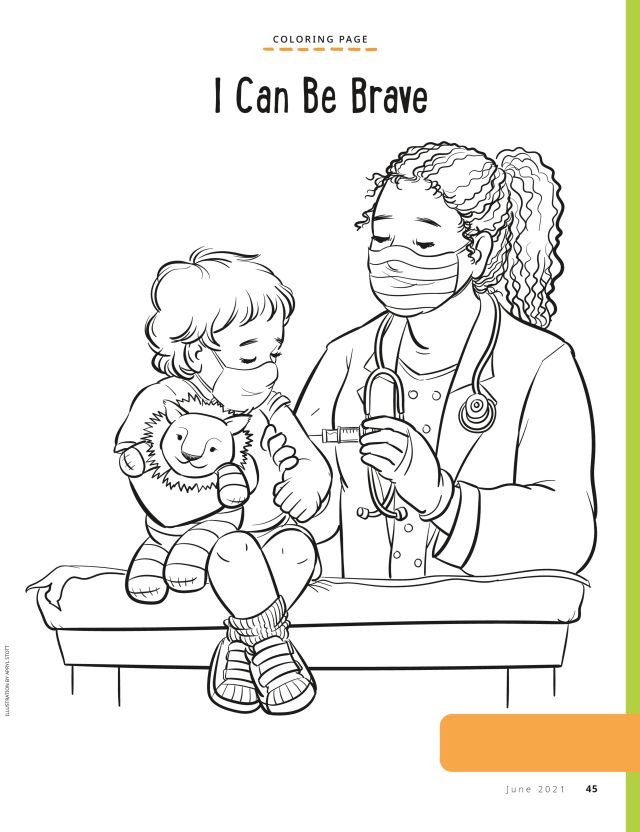
Earlier this year, I severed nearly all of my ties with the Church because I feel the leadership has done things I don’t personally agree Jesus would lead his disciples to do. They have used propaganda, their personal feelings, and their role as leaders in the Church to “urge” members to be vaccinated and wear masks. (Now, people in the LDS Church feel vilified for their bullying behavior of those who have chosen not to get vaccinated. This is not how Christ would act.) This is against everything I believe churches should do—they should have no say in personal decisions. THEY DO NOT HAVE A SAY IN PERSONAL DECISIONS. People don’t answer to religious leaders. Yes, they can teach doctrine such as “abortion is wrong,” but the worldwide Church leadership should not be giving guidance on personal decisions. It’s wrong. It’s overstepping. It’s inappropriate. My dad grew up Catholic, and I have observed the bullying religious leaders use to lead people to Christ—what they are really doing is bullying (mostly through guilt) people to follow their interpretation of Christ. Last year I had this conversation with a friend. He told me we should just be obedient to what our religious leaders say. When I asked him why, his reasoning was that’s what the leaders said to do. Um, no. I told him he was just following a man’s interpretation of God’s word. He didn’t understand why I wasn’t okay with that. For me, I will just go to the source for guidance. Jesus wasn’t a follower. He just loved people where they were.
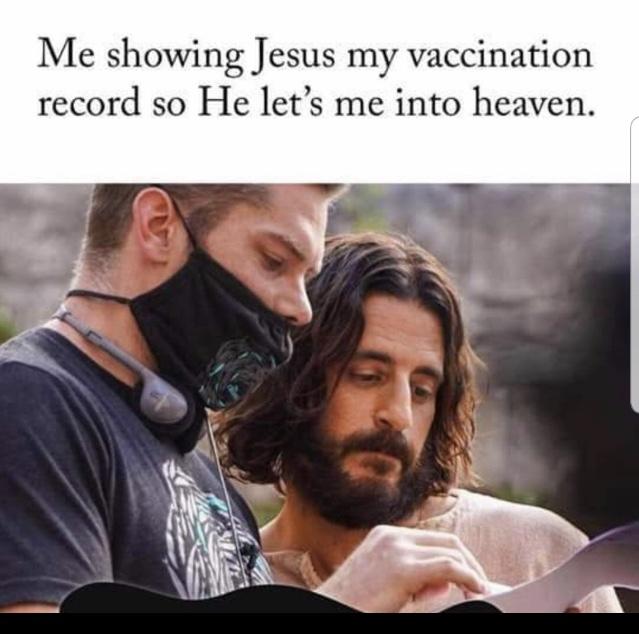
Churches are led by men. Men fail. Men are narcissists. Men are corrupt. Men are still human, and humans like to do what they think is right. As I have researched, pondered, meditated, etc. on my decision to leave the Church, I feel at peace about it. Since the decision was made, I have learned more things that don’t sit inline with my core values. If that works for people, then great. I will never tell anyone else what to believe, or how to approach their faith. That’s not my place as faith is a very personal experience. We can all learn from each other—no matter our differences. I would be happy to answer anyone’s questions they may have, but I will not be bullied by words of men to tell me what I should believe, and where I belong. What I would urge you to do is to research for yourself and find where your spirit truly lies.
Here’s the thing about bullies: they will keep bullying others, unless they are stood up to. We need to start standing up for our beliefs. There will be disagreements, but if we listen to one another, we may not agree, but we can have a healthy dialogue about our thoughts and opinions. These conversations may help us understand where the other person is coming from. As humans it’s our nature to prove we are right—we are so busy trying to prove ourselves right, that we don’t take the time to listen. I have learned a lot from the people I don’t agree with. That’s why I don’t argue with people—it would only add contention into the world. 99% of the time I still feel my opinion is absolutely correct, but I have learned when to rein myself in—what’s worth my fight, and what’s not. Life is about learning how to live with other people and their differences. If I come out a better person than when I arrived, I will consider that a job well done.
About The Author
