Affirmations
Have you ever heard the saying: you are what you think? It is true. Think negatively and you will have a self-fulfilling prophecy. Think positively, and the opposite is true. Affirmations are statements intended to build and maintain healthy self-esteem and to help foster a positive outlook on life.he positive psychology practice of self-affirmation aims to help people combat negative beliefs and restore trust in themselves—or simply like themselves again. Typically, self-affirmation is accomplished by way of short, positive statements repeated to oneself.
Affirmations are often mocked—on tv, by our friends, but they are scientifically important for our brains. Affirmations may be one of the simplest ways to reduce anxiety/stress, etc., but people refuse to use them. They are not hokey, and they shouldn’t be dismissed. We live in a society of quick fixes and instant gratification, and affirmations can be just that. They are free, and at our disposal for easy use, and they are underutilized.
Self-care is a term we use a lot these days. Self-love feels selfish, embarrassing, narcissistic, and weird. I promise: it’s not. Three quick affirmations we can all use daily: I AM ATTRACTIVE. I AM SMART. I AM WORTH IT. Even if you don’t believe it, you can start to. They have been shown to be an effective form of self-care through self-talk. Zhang et. al found that self-affirmations had a positive effect on general well-being, social well-being, and self-perception.
We live in a world in which it’s easy to be self-deprecating. We see the celebrity on tv, and we are not as beautiful as them, and we’re not as smart as the doctor we visit, etc. Social media created a world of comparison—one we don’t feel we live up to. Genuine and meaningful self-care is self-love. We only have one self, and we need to take care of that self.
In the beginning, affirmations do feel cringey, and make you feel self-conscious. Over time, they become part of our daily routines. Embrace affirmations. You may even look forward to saying affirmations, although the absence of self-judgment is a good place to start, it’s not necessarily easy. Most of us tend to be very hard on ourselves. We think that beating up on ourselves internally is the best way to motivate ourselves. (Spoiler alert: It’s not.) Instead, self-compassion, showing up despite fear/anxiety, and living with a growth mindset are better ways to motivate ourselves. YOU ARE GOOD ENOUGH; YOU ARE SMART ENOUGH; AND PEOPLE LIKE YOU.
We need to begin using self-talk early in life. That’s why I love that Snoop Dogg has an “Affirmations Song,” which teaches children self-love, mindfulness, and confidence through a fun, catchy song. (Part 1: Affirmations Part 1 – Believe In Yourself | Doggyland Kids Songs & Nursery Rhymes by Snoop Dogg; Part 2: Affirmations Part 2 – Anything Is Possible | Doggyland Kids Songs & Nursery Rhymes by Snoop Dogg). There is a whole series of affirmation songs he has created.
Affirmations help us get closer to the experience of self-love. Psychologist Kurt W. Ela suggests, and says is the easiest way to start:
- Create an affirmation that resonates with you. It must feel genuine, important, and true.
- Repeat that affirmation at least three times per day. You can say them aloud or in your mind. You can sing them. You can write them. Find what works for you and your life.
- Do it every day for at least a month (Practice makes something a habit). I have an affirmations notebook that I write 5 affirmations every day.
There are creative ways to say affirmations in your life. For Christmas, my good friends bought me Positive Pickle, which has 60 affirmation cards in it that I can pull out of the jar if need them. I love pickles, so that works for me. You have to find what works for you.

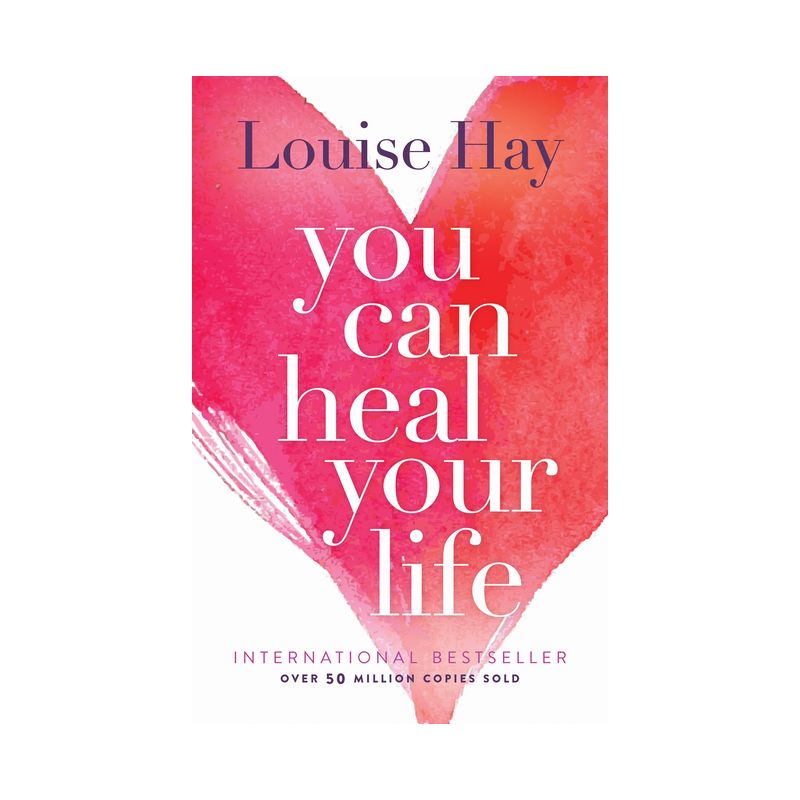
Affirmations are statements intended to combat negative self-talk and beliefs and promote trust in self. There is some research that suggests affirmations, especially if they are the right affirmations, those that truly reflect a person’s core values—can help a person rebound from trauma and depression. Louise Hay, who was a motivational speaker, author, and self-help pioneer is known for her novel You Can Heal Your Life, which advocated affirmations and self-love as tools for healing. At the end of the novel, there is a list of diseases, the possible causes of those diseases, and the affirmations you can say to help you heal your body (another book she wrote). I find it interesting to look up ailments I have to find what might be the cause. The description is usually pretty accurate. Find the list here: ❤️ Louise Hay List of Symptoms and Affirmations to cure. The book is interesting because it shows connections between or mental patterns, and the diseases we are suffering from. Hay stated, “If you do the exercises in You Can Heal Your Life progressively as they appear…you will have begun to change your life.”
Here are some helpful tips for creating affirmations:
- They should be positive.
- They should be in 1st
- They can be general (I am intelligent) or specific (I am intelligent, and I will pass this test).
- They should bring you peace and comfort.
- You can try multiple affirmations until you find what works for you. Affirmations can be your life mantra, although a mantra is used more externally.
- An affirmation is not a manifestation.
Studies using magnetic resonance imaging (MRIs) have shown that during self-affirmation tasks, regions of the brain involved in emotional processing, decision-making, self-perception, and social cognition become more active. Other research has shown that people prompted to write about the values most personally important to them later performed better on stress-inducing problem-solving tasks than others. And other studies show that affirmations can help people enhance self-control, improve academic achievement, adopt healthier habits, and reduce prejudice. (Psychology Today).
I understand the hesitation in using affirmations. I was when I first started using them a few years ago. Honestly, I don’t use them as much as I could or should. I promise that they do impact life positively. They have helped relieve anxiety and stress in times/situations when they arise. I am a 100% for positive thinking and changing the mindset. No one wants to dwell in the negative—people that live in the negative are generally not enjoyable to be around. What could it hurt? The good news is, if you start doing them, and they don’t work for you, you can stop doing them. You don’t know until you try! The affirmations you create could be your superpower.
About The Author
