Distraction
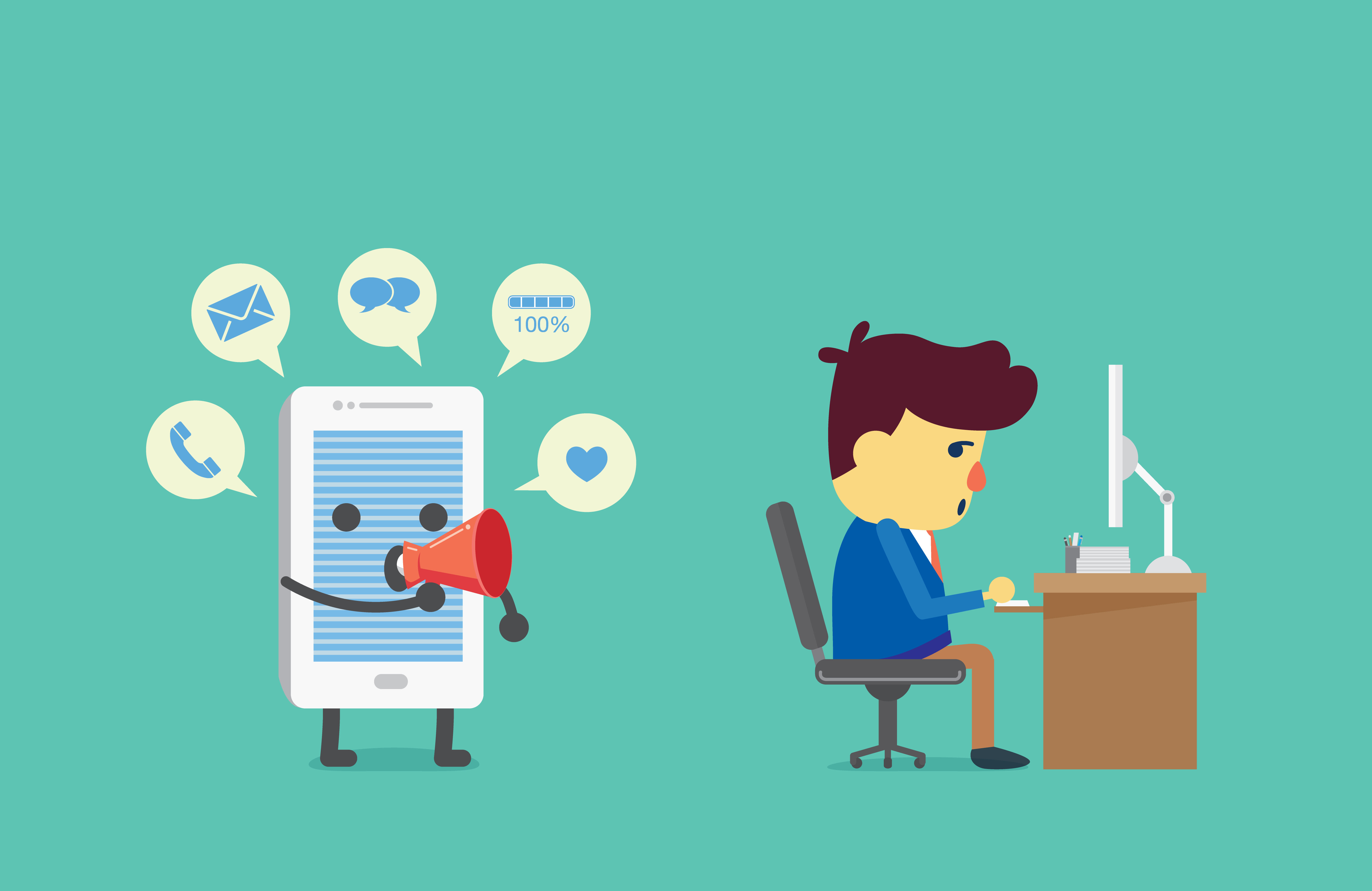
Distraction is part of everyday life. From the internet to our phones to the sparkly squirrel running past a window…there are many things we can choose to be distracted by. In our current world, it’s hard to stay focused on anything for too long. So, what can we do to prevent ourselves from getting distracted—we’re not going to stop distractions, but we can control how we respond to them.
I have been thinking about this a lot the last few months. Many of you know, I love football, and I have been following the Kansas City Chiefs my entire life. My dad and I went to a game 6 years ago, and Travis Kelce was my favorite player. I have pictures of his tushy, which my dad was not happy about. So, to me, it’s extremely frustrating that this season when he is “dating” Taylor Swift, she has become the focus of my Kansas City Chiefs; they score a touchdown (it does not matter who), they show her jumping around and making a fool of herself, like she has been a fan her entire life. She sang songs about the Eagles a few years ago. I understand supporting your boyfriend’s interests, but that support doesn’t need to be public.
When I went to buy a new t-shirt, they were all “I am in my Chiefs’ era” or “Go Taylor’s boyfriend.” #vomit. Swifties are watching Chiefs’ games in hopes of seeing her, so we see her like 10 times a game. The Philly/KC game was 13 times. As a football fan, I do not care about her being there. I just want to watch football. I also don’t need to see her every move all over social media—she has nothing to do with the game! It is a big distraction. Recently, football commentator, Tony Dungy said, “That’s the thing that’s disenchanting people with sports now,” Dungy told Fox News. “There’s so much on the outside coming in. Entertainment value and different things that’s taking away from what really happens on the field.” Dungy said what most football fans are feeling. Cool, she’s there, but she’s there. We don’t need to see her all the time. Other celebrities are fans of teams: Paul Rudd, Bradley Cooper, Rebel Wilson—we don’t see them all the time. Simone Biles’ husband is on the Green Bay Packers, and she has come to every game. Do you see her all the time? No. And she’s a big deal. It’s as if the networks have determined if you are a Chiefs fan, then you must be a fan of her. I am not a Swiftie. I can appreciate her talent, while not being a fan or wanting to see her all the time. As my friend Sterling always reminds me, “two things can be true.” Those two things are both true.
I am frustrated. I am annoyed. For many reasons, but mostly for people who have been fans their entire lives, and it’s as if their fandom only matters because a pop star is sitting in a suite. I’m sorry to all the Swifties out there, but Kelce and Taylor only act like they support each other when they know the cameras are watching. Even if they are truly dating, neither of them have a good track record. I just don’t care about their private life. Date in private. Keep football on the field. But I am also giving my energy and focus to my ill-feelings towards her. I am allowing her being at games to distract me from watching football games. More than football, I am annoyed with myself for allowing her presence to annoy me. It’s not her fault. It’s not his fault. Neither of them know me or care about my football feelings. It’s the media’s doing. It’s all a distraction, but a distraction from what exactly? I have yet to figure out. It’s not as if she, he, or football really matter in my life—they are just a source of entertainment. Also, I’ve fed into the agenda, I’ve allowed myself to become distracted by the narrative the media is feeding me. That’s not who I want to be.
Truthfully, I miss the days of less distraction—the world without technology and social media—the world of my childhood. However, that is not the world we live in. We live in a world of constant distraction: one we must learn how to thoughtfully navigate our way through. It’s not easy to do. Some distractions are fun: scrolling the internet, flirting, and watching sports/movies/tv shows. Those distractions have an appropriate time and place.
Distraction is “the process of interrupting attention” and “a stimulus or task that draws attention away from the task of primary interest.” Simply put: distraction takes away from what we want/need to do. It is easy to get distracted. Most of the time, we allow ourselves to get distracted, but we finish the task after a delay.
Here are some common distractions:
- Looking at your phone notifications when out with friends and family (go to a restaurant sometime and notice how many people are engaging with their phones, instead of the people they are with. I have started leaving my phone in the car when I am with my friends—my time is valuable, and I want to spend it with them, not on my phone).
- Interrupting focused work to scroll through social media or do some other meaningless task. (I do this a lot—I sit on the computer and do multiple tasks at once while I am working.)
- Carrying on meaningless conversations when you should be working.
The problem is when distraction becomes a habit. The distraction habit can cause problems at work, school, home, or with our friends. If constant distraction happens, Worse, if we are constantly pulled away from friends and family by distractions, we cannot cultivate the relationships we need for our psychological well-being.
As I wrote this blog, I became distracted. I started writing it at least two weeks ago. I would start, and then something would come up. Then a couple of days later, same story. This happens every month. I start the blog at the beginning of the month, but I get distracted, and I do not finish it until the end of the month. This month, I could say the distractions were more important than the blog (a wedding is an important life event), but they were still making it harder for me to complete the task of writing the blog.
If you don’t want to be distracted, how do you stop yourself from being distracted? What’s the opposite? If you search for a distraction antonym, you will find that distraction does not have an exact opposite. Merriam-Webster does suggest several “near antonyms” like assurance, certainty, confidence, and conviction. Those aren’t really opposites, though. None of those words describe what it means to really help when your goal is to move away from distraction—toward what? In Psychology Today, Nir Eyal suggests adopting the term “traction” as the opposite of distraction. Traction is “any action that moves us towards what we really want.”
Traction is a choice. Traction is any action you make with intent. Traction is doing what you say you are going to do. Examples of traction are going to bed early instead of staying up late to watch a sporting event; working on a project instead of going out; meditating and praying; or spending time with loved ones.
I was good at traction when I was earning my PhD. I was focused. I spent at least 3 hours every day working on my schoolwork/dissertation. I said no to going out with my friends, even when I really wanted to say yes. I sacrificed time, energy, and potential relationships. In the end, my traction paid off, and I was able to graduate with my PhD in 4 years. The timeline worked out perfectly because I graduated in February 2020, and I do not know how much traction I would have had during Lockdown, when all the distractions were readily apparent.
How do we stay on a traction path instead of allowing ourselves to become distracted? All human behavior is caused by external or internal or “triggers.” External triggers are cues from our environment that tell us what to do next. Our cell phone dinging. Our alarm clock. The tv. A person trying to talk to you. Internal triggers are cues from within us. Our stomach growling when we are hungry. A feeling of loneliness prompting us to call a friend. Internal triggers are negatives. Since all behavior is prompted by either external or internal triggers, then both the actions we intend to do (traction) as well as those that veer us off course (distraction), originate from the same source.
How to we make sure these triggers do not distract us from our tasks at hand? In a way, how do we become indistractable? If you are ready to take back your life from incessant distractions, you need to follow four steps to become indistractable:
- Master internal triggers. To overcome distractions, you need to understand what drives your behaviors. The root cause of human behavior is the desire to escape discomfort. Even when we think we are seeking pleasure, we are driven by the desire to free ourselves from the pain of wanting. We use distraction to free us from psychological discomfort. Distraction, then, is an unhealthy escape from bad feelings. Once you can recognize the role internal triggers play in your life, you can decide how to respond in a healthier manner. You cannot control your feelings, but you can learn to control how you react to those feelings. Keeping a log of distractions will help you link behaviors with their internal triggers. The better you get at noticing the thoughts and feelings that precede certain behaviors, the better you will become at managing them over time. When I was in college, I learned how to make an ABC chart, which helps identify feelings that lead to actions, so that you can learn how to channel those feelings into a different response. Antecedent, Behavior, and Consequence. These charts help create effective behavioral changes. Identify the feeling or thought behind potential distraction; become aware of the internal trigger that is prompting you to become distracted. Write down a detailed account of the distraction: time, day, and feelings. After you have detailed the sensation, explore it. Dr. Bricker (Fred Hutchinson Cancer Research Center) recommends trying the “leaves on a stream” method. Imagine yourself beside a stream, on which leaves gently float by. Place each negative thought and feeling in your mind on one leaf and watch them float away.
- Make time for traction. Make sure you plan your days. If you don’t, distraction will. I live by my planner. It helps me stay focused and make sure my goals get accomplished. It’s not always easy, but I get things done with fewer distractions from my ability to plan. If you need some tips to help you plan, here are a few:
- Turn your values into time. If you value your friends, be available for them. Same for your family, work, whatever is important to you.
- Timebox your schedule. Timeboxing means deciding what you are going to do and when you are going to do it. It does not matter what you do if that is what you planned to do.
- Decide how much time you want to devote to each domain of your life, according to your values. Make sure that you schedule enough time for yourself and for your relationships.
- Access your calendar. Make sure the schedule you have planned, works for you. If you get distracted, figure out why, and figure out how you can change it. It is okay to make plans, and then change them accordingly.
3. Hack back external triggers. Some external triggers help remind us of things like meetings or to take a bring. The important thing is to determine whether the external triggers are serving you, or distracting you? If the prompt leads you to traction, keep it. If it leads you to distraction, eliminate it. Remove apps you no longer need or use. Remove apps that you can use on your computer. One of the greatest things I ever did was delete my Facebook app from my phone. Now, I can’t be distracted by it at work. I can only check my Facebook at home. Choose the correct notifications for each app. I have turned off notifications for most of my apps. I don’t need ESPN to tell me Joe Schmoe won the BOWLING Tournament, for example. That fact will still be true at the end of my day. Use your apps the way you want, not the way the company wants you to use them. They want you to be distracted—that’s how they can “brainwash” you. As my Uncle John says, “You are not a consumer of Social Media, you are the product of social media.” Think about it in those terms, it will change how you use social media.
4. Prevent distraction with pacts. The antidote to impulsivity is forethought. The last technique for becoming indistractable is to make a “precommitment”—removing a future choice—to overcome distraction. They are decisions we cement well in advance of the temptations and distractions we know might come. This step should only be taken after the other three steps and learned to manage our internal triggers, made time for traction, and hacked back the external triggers that pull us to distractions.
To become indistractable, you need to change your language. Stop telling yourself you are a person with a “short attention span. Instead, tell yourself “I am indistractable.” You are how you talk about yourself. If you tell yourself you are easily distracted, you will become easily distracted. However, if you believe you are indistractable, you empower yourself to respond more healthily to whatever distractions try to get in your way.
Our world is splitting into two types of people: those who allow their attention and their lives to be manipulated by others, and those who proudly call themselves indistractable. Which are you? Which would you rather be? I would rather be indistractible. I am working on being indistractable. It’s not easy. It takes effort. I know the effort will be worth my effort because when you become indistractable, you influence others to do the same. You can inspire others to pursue the lives they envision. So, go ahead, do it, become indistractible. I dare you!
About The Author
