Holiday Presence is a Present
Call me The Grinch if you want to. Many people have before. I don’t know if it’s my December birthday or the way I grew up—we celebrate Christmas entirely too early and for too long. I understand the need for planning—I live by my planner—but no one needs to walk into a NC Costco in mid-August 90 degree heat to what looks like Christmas throwing up. It’s too early. And it’s too much.
My birthday is December 14th. My brother’s is the 19th. My niece is the 8th. My nephew is the 20th. My extended family has 3 more birthdays during the month. My good friend has his birthday on the 13th, and his anniversary on the 29th. By the time January comes around, my family is burnt out on all the events we just celebrated.
When I was a kid, my mom wanted to make sure my birthday was special, so we didn’t put up the Christmas tree until after my birthday, and we promptly took it down on the 26th. When my brother was growing up, he liked the tree, so we began putting up the tree earlier and earlier but still took it down on the 26rh. Now, the tree goes up around Thanksgiving and lasts until the first week of January. If it was up to me, we’d wait until December to put it up and take it down a couple days after Christmas.
Consider this; Hallmark’s 2026 Countdown to Christmas started on October 16th. A few years ago, it was the last weekend of October. Before Halloween. Before Thanksgiving. They don’t show any movies on those two holidays. And the 24-hours of Christmas lasts until mid-January. Plus, a month of Christmas in July. In total, that’s 4 months of Christmas—a quarter of the year—for a 2-day holiday.

At what point is it too much? Even for a Christmas enthusiast. When does the holiday become less special? Oversaturated? While there are people who celebrate Christmas year-round, we don’t all. There are some people that don’t celebrate Christmas at all. Christmas is supposed to feel different, and when we are saturated with it, when does it stop feeling that way?
It’s not just Christmas. Pumpkin Spice Lattes (PSL) arrive in August. Let me have Summer!!! And it’s not that I don’t like PSL, which I don’t, I just feel we are trying to live too much in a rush for the next…. We should try to enjoy the world, the season, the moment we are in. We’re always looking for the next thing. It’s barely January, and the bikinis are out next to the winter coats. We want the next phone, the next vacation, the next, the next, the next. We don’t live in a world that lives in the present.

Back in 1965, Charles Schulz’ Linus warned audiences of Christmas commercialism in A Charlie Brown Christmas. At the very beginning, Charlie Brown says, “I almost wish there weren’t a holiday season. I know nobody likes me. Why do we have to have a holiday season to emphasize it? I feel you Charlie Brown—not that no one likes me, but that there wasn’t a holiday season. Lucy says, “we all know that Christmas is a big commercial racket.” Preach. Sixty years later, this is even more true. Sally says, “All I want is what’s coming to me. All I want is my fair share.” Frustrated, Charlie Brown laments, “Isn’t there anyone who knows what Christmas is all about?” Sally’s mentality is that of most children, but as we age, we learn that Christmas is more than presents.
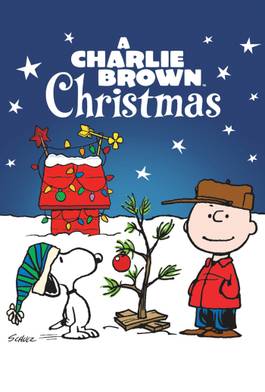
Now, it’s not just Christmas that’s a commercial racket, it’s life. Commercialism has taken over. We have lost the true spirit of special holidays and instead want, want, want, want. We live for our consumption desires. Peter G. Stromberg, PhD, wrote, “Christmas is a ritual, and like all rituals, it reflects the social and even political circumstances of the people that practice it.” So, us. He even suggests that if we want to go back to the true spirit of Christmas, we wouldn’t celebrate it all. Because it wasn’t truly celebrated until the 4th Century, and it wasn’t popularized until the 19th Century—that’s only about 300 years ago (Psychology Today). The roots of Christmas stem from commercialism. Christmas began as a combination of commercial forces and ideas about sentimentality and domestically encapsulated into a glowing fascination to newly introduced Santa Claus (Psychology Today),
Stromberg argues our culture is one with two sets of values, and they contradict each other, but we need both sets of values: 1) values of work and production; 2) values of leisure time and consumption. Stromberg states our society requires us to be highly productive and frenetic consumers, simultaneously. Christians use the holiday to celebrate deity, but most people are excited about the gifts, trips, and time off work/school.
Sword and Zimbardo (2012) suggest the holiday consumerism isn’t the best for our mental health. Christmas is supposed to be a time of joy, and we are told that by movies and music, etc. If we don’t feel that joy, something must be wrong with us. Right? To cope with our less-than-joyous feelings, we overconsume: alcohol, parties, medications, shopping, etc.—whatever makes us feel good. These are the things that aren’t good for us, and they don’t truly make us feel better. In the words of The Grinch, “maybe Christmas doesn’t come from a store/maybe Christmas…. perhaps….means a little bit more (1959).
Christopher Hees, a behavioral economist, at U-Chicago’s Booth School of Business, argues that gifts on Christmas morning may no longer make us happy because there is an expectation that goes along with it. Jim Carrey’s Grinch criticizes the Who because most gifts they receive end up in the trash—they mean nothing to the people receiving them. How true! Most of us are excited about the gifts we receive for a short time, and then we move on to something new and more exciting.
In my family, we have never rushed Christmas. Sometimes, the presents don’t get opened until the early afternoon. We don’t feel the need to rush. We take our time. After all the presents are opened, we play games, watch movies, and enjoy each other’s company.
I am aware we will never go back to what Christmas used to be—we’re too far away from that point—a holy day to spend with family and friends. I think we could tone it down. There is no Christ in Christmas anymore. Without Christ, it’s just mas, which comes from the Portuguese for more. Hmmmm. We want what we want when we want. WANT, WANT, WANT. MORE, MORE, MORE.
I enjoy a good Hallmark movie (to laugh at), but I don’t watch them until December, and usually with my friend Emily (it’s one of our roommate traditions where we laugh together over the cheesiness). They are good times, and memories we’ve made together. We know they are unrealistic. They are a good time, but no one falls in love with someone in days. Every movie ends happily. What happens after the movie ends? When the lover doesn’t take the trash out on Tuesday? They also rarely show the sadness/loneliness people feel during the holiday season.
After 10-12 straight weeks, Hallmark moves on to Valentine’s Day movies. During all of it, the commercials are advertisements for Hallmark products. It’s a gimmick for selling their cards, their ornaments, and their channel. These commercials encourage you to spend money to keep their business going and the money flowing. No shame to people who enjoy the movies, they’re harmless, wholesome entertainment. I just don’t think we need 4 months of Christmas shoved down our throats (and yes, I know I don’t have to watch them, but I don’t need to see the commercials for them, either). Hallmark can make money year-round with cheesy movies about every holiday. St. Patty’s Day, Easter, etc. There is a market for this genre. I even have an idea for A Packers’ Holiday Touchdown movie, but it’s set in the Fall, during football season.
The consumerism cycle never ends. In November, Starbucks will release its holiday drinks and special red and bear cups. Why wouldn’t they have the Fall drinks overlapping the holiday drinks? Winter doesn’t officially begin until December 22.
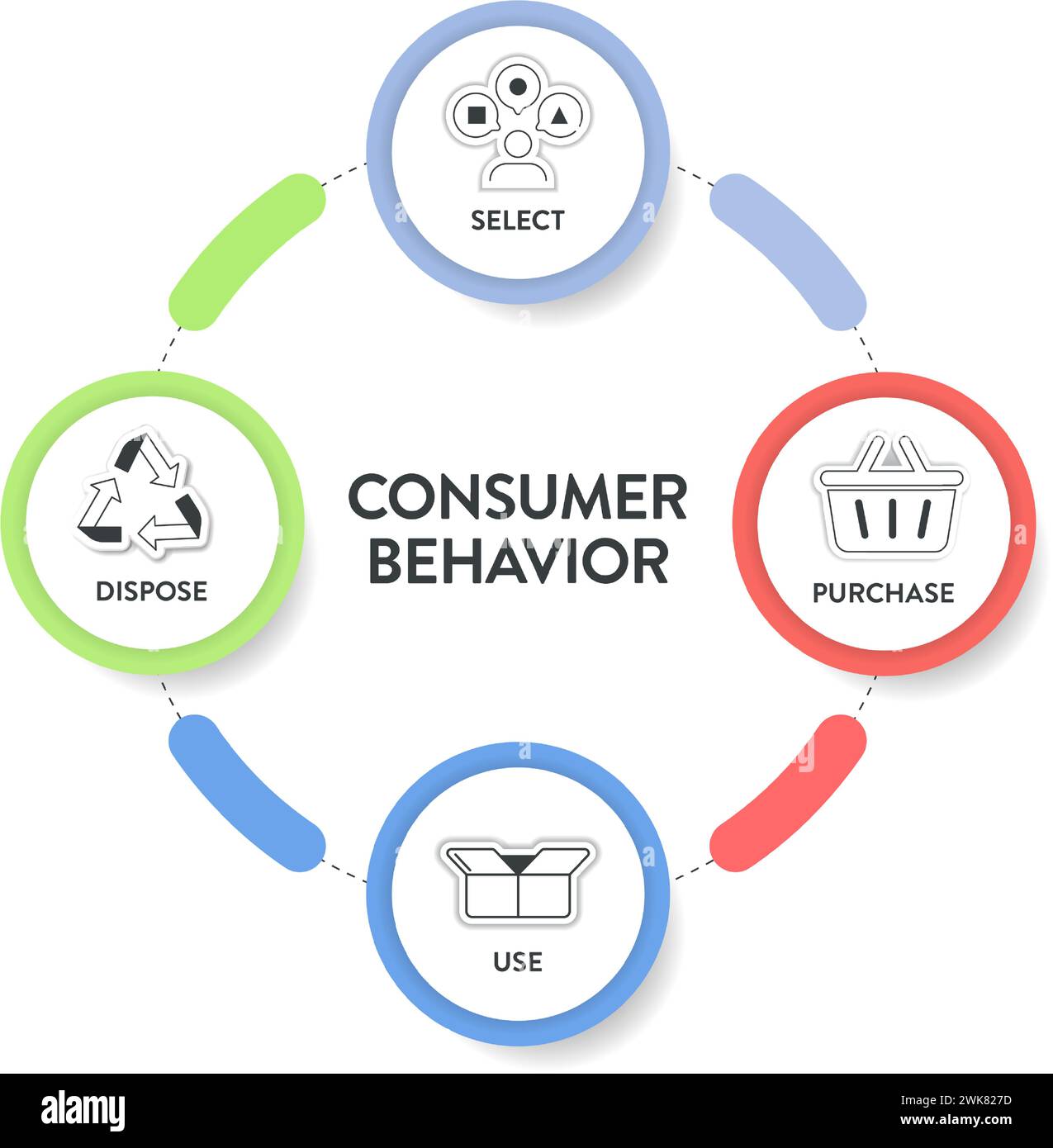
There is no need to rush through life—it goes by too fast already. Let’s slow down and enjoy the holidays, one at a time instead of skipping Christmas and Thanksgiving. It’s about being present. The shows/movies emphasize relaxation, peace, and joyous celebrations. Yet, the truth is the family dynamics, overscheduling, overconsumption, and the constant demands of the holidays leave us wondering where our holiday storybook picture is. For most of us, holidays are more like The Family Stone than A Very Brady Christmas. We need to step back, relax, and be present in the moment. Presence over presents. Sounds simple, right?
Being present during the holidays can translate into year-round mindfulness. A study by Dr. Zita Oravecz says, “Our research found that micromoments of positivity, like a kind word, cuddling with a child, or receiving compassion make people feel most loved.” Being present is in the small moments, not the big gestures/presents. While the holidays often feel like presents are expected, they don’t have to define our holidays. I love giving gifts to others, taking my time to figure out what would be a useful gift to the person I am gifting. I despise gifting gift cards. Being present during the holidays means you’re aware of all the details of each moment, and you share those moments with the people around you. How can we be more present, and in turn, help others be more present as well?
Dr. Carla Naumburg, a mindfulness coach and social worker, gives some helpful tips on how to limit your distractions during the holidays.
- Cut back on social media- it will reduce distraction and comparison. We will want less because we’re not comparing our lives to the lives of others. We will also see less advertisements for things we don’t need.
- Get plenty of rest/sleep. It’s okay not to attend every party you’re invited to. Prioritize the ones that are the most important to you.
- Remember to breathe and shift your awareness to the present moment.
- Balance your online shopping with human interaction. It’s so convenient to shop online, but humans truly make the holidays special (even when we find them annoying/aggravating).
Dr. Naumburg says, “During the holidays, anxiety rises, making it harder to remain present with ourselves and other…the power of spending time with another person is a gift we can give at any moment.”
As you try to remain present during this holiday season, it’s important to remember gratitude. Take the time to stop, recognize, and write down the things you have in your life. Being alive is a blessing. One we often take for granted.
Be present, not perfect. You will never be perfect. Ask for help if you need help. Practice self-compassion. We are often our own worst critics. Be kind to yourself. Be patient with yourself. Do something just for you. Even if that means participating in Christmas consumerism—the important thing about presence is YOU.
Once you’ve practiced being present during the holidays, which is the hardest time to do so, you can practice the habit throughout the year. Presence won’t be a habit; it will be a characteristic. Celebrate yourself and your life as it enfolds: moment-to-moment. Not only is our presence a gist to loved ones, it’s also a present to ourselves. Enjoy!


About The Author
