Intermittent Fasting 101- Morganfied
For about 10 years now I have been intermittent fasting (IF). I would eat a late breakfast/lunch (usually around 11 am) and a dinner, never eating past 8 pm. My friend Stefanie and I began doing so as a challenge to ourselves and each other. As with many things that occur over time, I became lazy, or I would “cheat” on nights I was hungry, snacking in my bed, late at night. About a month ago, I noticed I had gained a little weight; I weighed the most I had since I was a freshman in college. More importantly, I was not happy with how my body looked. By no means was I overweight, but my sister is getting married in February, and I felt I needed to do something to lose those few nagging pounds.
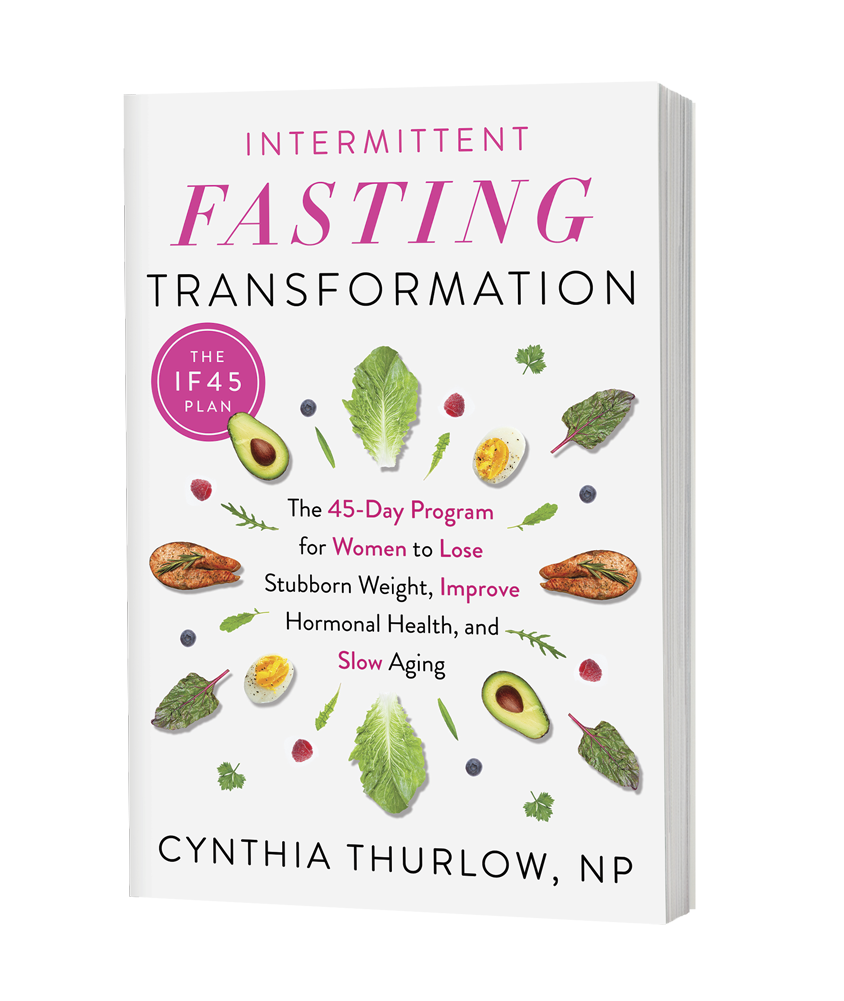
I checked out the books Fast. Feast. Repeat by Gin Stephens and Intermittent Fasting Transformation by Cynthia Thurlow. After reading their books, I was not 100% down with the “rules” they presented for IF, so I am doing what is known as a dirty fast. And who doesn’t like to be a little bit dirty, lol! 😉

When I tell people I am fasting, the usual response is: what, you are not eating? I am eating, but I am eating during certain hours of the day. Here let me explain…I am going to give the Morganified version of Intermittent Fasting (IF) 101.
According to Richter and Gunners (2022), “intermittent fasting is an eating patten where people limit their food consumption to certain hours of the day.” According to the books I read, IF is one of the most popular food trends around, and people are using it to lose wight, improve their health, and simplify their lifestyles. I don’t really like the word trend because I feel the terminology makes it less credible, but IF has been around since the beginning of time. Think about it: people in ancient cultures were hunters and gatherers, so they ate when they found food. IF, however, is planned fasting. To me, IF is more natural than eating 3-6 meals and snacks a day.
IF is an eating patten that cycles through periods of eating and fasting. Before committing to IF, I was going to try KETO, but didn’t like the food restrictions the lifestyle plan asked for. BTW, you can do KETO during IF. IF doesn’t tell you what foods to eat, rather when you should eat them. The plan is a lot less restrictive than many out there. In this sense, it’s not a diet in the conventional sense, but more of a lifestyle change.
There are several different ways of intermittent fasting—all of which involve splitting the day or week into eating and fasting periods. During the fasting period, you eat little or nothing at all. I only drink during my fasting periods. Most of the time I drink lots of water, and a coffee is thrown in there in the morning. The coffee is where the “dirty” part of my fast comes in. Researchers suggest black coffee. I can’t do that. I don’t like the taste of coffee. The joke at work is whether or not I have coffee in my half and half. My theory is: half and half isn’t sweet and doesn’t kickstart my metabolism.
These are the most popular IF methods;
- 16/8 / Leangains protocol—you skip breakfast and restrict your daily eating period to 8 hours, such as 1-9. Then you fast for 16 hours. ***This is the most popular IF protocol. Obviously, you choose your fasting hours. If you worked an atypical schedule, your hours might be different.
- 18/6- This is the IF protocol I use. I fast for 18 hours and eat for 6. I try not to begin eating until around 1 or 2 pm, and then close my eating window around 7. Obviously, it depends on my schedule, but this is the tie period that works best for me. I have done shorter periods on some days, and longer on others. I have never done more than an 8-hour window.
- The 5:2 diet—with this method you consume only 500-600 calories on 2 non-consecutive days (Monday and Wednesday) but eat normally the other 5 days. Eating only 600 calories didn’t seem like a good move to me.
- Eat-Stop-Eat—24-hour fasts 1-2 times a week. This wasn’t my preference because I like eating, though I might try to add 1-24 hour fast a month in the future.
- Convenience=Fast—skip meals from time to time when you’re not hungry, or don’t have time to eat. There is no need to follow a structured IF plan to derive some of the benefits of fasting. You can always experiment with different approaches to see which one works best for you.
When you reduce your calorie intake, all of these methods can cause weight loss. The trick is to not overeat during your eating windows. I will admit, at times, that it has been a struggle for me. Some days, I feel like heating the house; other days, I don’t want to eat at all.
When you fast, several things happen in your body on the cellular/molecular level
-your body adjusts hormone levels, and your stored body fat is more accessible. The fat burning hormone, norepinephrine (noradrenaline) is released.
-your cells initiate important repair process and change the expression of genes; this includes autophagy, where cells digest and remove old and dysfunctional proteins that build up inside cells. There are changes in the function of genes related to longevity and protection against disease.
-Human Growth Hormone (HGH) increase exponentially, and can help with fat loss and muscle gain
-insulin levels go down
-calorie intake usually reduces
-facilitates weight loss by increasing your metabolic rate by 3-14%
-less muscle loss than more standard methods of continuous calorie restrictions
There are also some health benefits that accompany IF:
-improve health of body and brain
-weight control/weight loss
-increased insulin resistance (reduce chances of Type 2 diabetes)
-reduced inflammation
-helps reduce bad LDL cholesterol, blood triglycerides, inflammatory markers, blood sugar and insulin resistance, which are all factors that increase the risk of heart disease.
-prevents cancer (in animal studies)
Increases the brain hormone BDNF and may aid the growth of new nerve cells. It may also protect against the brain’s development of Alzheimer’s disease.
-may help you live longer
***Most of these studies were small, short-term, and performed in animals with similar DNA as humans. Research is still in the early stages.
Eating healthy is simple, but it can be incredibly hard to maintain. My friend, who is doing KETO, said it’s really hard to eat out. My friends that have done Whole 30 were always meal prepping and cooking approved foods. It seemed time consuming. I work at a cooking studio, so I cook all day, I don’t really want to go home and plan/cook some more. With IF, I don’t need to plan, cook, or clean up as many meals as on other plans. Plus, it’s about to be football season, so I love some fried cheese curds and brats!
Some things that I had to think about when beginning IF—it’s certainly not for everyone. People who are underweight or have a history of eating disorders should not fast. If you are pregnant, trying to conceive, or breastfeeding, you should not fast. Of course, studies have shown women should be more cautious in general when they participate in IF. People with pre-existing medical conditions such as insulin-related issues, low blood pressure, or are on medications should seek medical advice before beginning IF. Children should not fast. All that being said, intermittent fasting is considered completely safe. There is nothing inherently wrong with not eating for a while if your body is healthy and well-nourished overall. I promise, I wouldn’t be participating if it was going to be detrimental to my well-being. I like eating. I just wasn’t happy with how my body was looking.
I often get asked: why are you doing this? I also get asked questions about working out. Yes, I still work out when I am fasting. When I began, I thought I might experience some “fogginess” that I have heard comes along with changing diet plans. I did not experience this.
Here are some FAQs regarding IF:
- Can I drink liquids during the fast? I do. I love water. I drink about 90 ounces a day, including other liquids such as coffee, tea, and sodas. I do not drink ABC beverages while I fast. I don’t do well with alcohol on an empty stomach. The key is the drinks don’t add calories to your diet—that’s why black coffee is often suggested, and it’s good at curbing hunger.
- Isn’t it unhealthy to skip meals? No. The problem is stereotypical meal skippers have unhealthy lifestyles. Generally, I eat one larger meal during my fasting period and a few smaller snacks. If you eat healthy foods while on IF, the practice is perfectly healthy.
- Do you take supplements while fasting? I am not one to do supplements, but the answer is yes. Just make sure that some supplements are better taken with meals.
- Will IF cause muscle loss? All weight loss methods may cause muscle loss, so it’s important to lift weights and keep your protein intake high. A 2011 study posited that IF causes less muscle loss than regular calorie restriction.
- Will IF slow my metabolism? No. Short-term fasting actually increases your metabolism. However, if you fast for days, that may suppress your metabolism.
Truthfully, you’ve probably already done intermittent fasts in your life. In fact, you fast while you are sleeping. So, if you have a healthy sleeping pattern, you are already fasting. Many people aren’t always hungry when they wake up, so they start eating at lunch time—that’s fasting (well, depending on your drink intake).
I do get asked if I get hungry. Sometimes, yes. If I do get hungry, I try to wait to eat if I can before opening my fasting window. Generally, though I am not hungry before my fasting window opens, I try to push it later. It was important to me to lose weight, be able to exercise, and eat real food. I have been on a gelato kick recently, and I can eat gelato while IFing. There is no one-size-fits-all solution to nutritional choices. Fasting works for me, but I know it wouldn’t work for many. It’s important to listen to your body, try things, and do what works for you. The best diet for you is the one that you can stick to.
When I was younger, I fasted as part of my religious observances, which is pretty common in religions throughout the world. Fasting always felt like a burden. Now, it does not. It allows me flexibility to live my life. When I go on vacation, I will extend my eating windows for more freedom, and when I return, I will tighten them up. I have noticed a difference since I began IF a few weeks ago—I am less stressed, I feel more energized, l feel less hungry throughout the day (which I know sounds crazy, but it’s the truth), I’ve lost inches on my waist, and I think I’ve lost pounds (I haven’t weighed myself since June, but my belly is smaller). I feel good, and that’s always good!
If you want to know more about IF, you can always ask me, but there are lots of resources available on the internet or at the library.

About The Author
